Local News
Detroit Tenants Union Sues 36th District Court, Alleging Judges Allow Evictions From Unsafe Rentals
By Staff · July 17, 2026
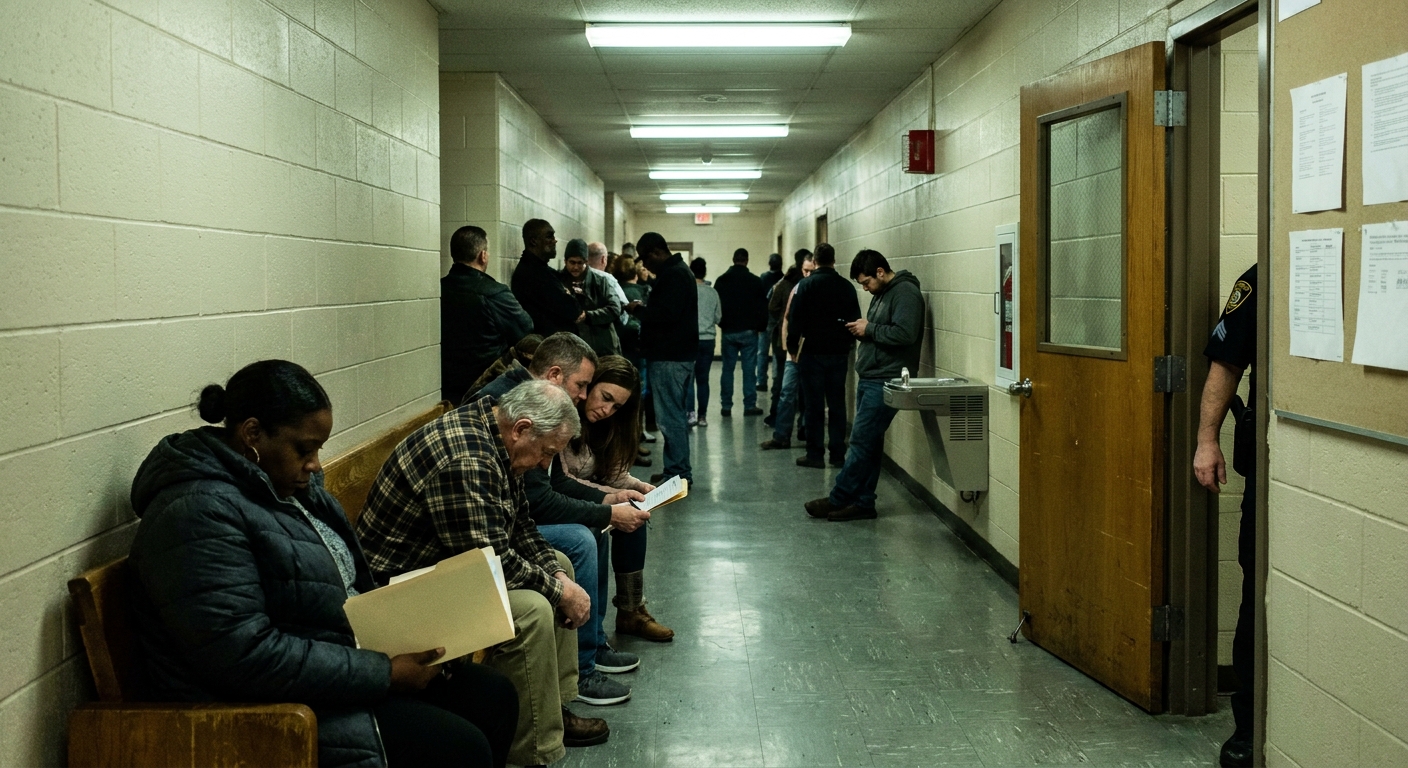
Detroit renters facing eviction may be forced to fight two questions at once: whether they can stay, and whether their landlord was entitled to collect rent from a home the city had not certified as safe, according to a new lawsuit.
The Detroit Tenants Union filed suit July 2, 2026, in Wayne County Circuit Court against Chief Judge William McConico of 36th District Court. The lawsuit alleges that judges improperly allow landlords to evict tenants and collect rent on properties that lack Detroit's required safety certifications, and asks the circuit court to bar such judgments for periods when landlords lack valid Certificates of Compliance and to update court forms and procedures to reflect Detroit's rental ordinance protections.
The case is playing out in one of the nation's busiest eviction courts. Detroit's 36th District Court handled about 20,370 eviction filings in 2025. "This protects renters. The city code is pretty clear on this one," said Steven Rimmer, Director of the Detroit Tenants Union.
Detroit law mandates that landlords hold a Certificate of Compliance—issued after a safety inspection covering structural safety, property maintenance code violations, and lead paint hazards for properties built before 1978—to legally collect rent or evict tenants for nonpayment. Only 14 percent of Detroit rental units currently possess a valid certificate, meaning the vast majority of evictions may be proceeding illegally under city code.
"The place where this is failing is the court," said Donovan McCarty, Director of the Michigan State University College of Law Housing Justice Clinic.
"The court should say, 'Can you just show me your certificate of compliance for the period of time during which you're trying to collect rent,' and if they can produce it, all good.... If they can't produce it, then they shouldn't be able to collect that rent, because they're not entitled to it," said Donovan McCarty, Director of the Michigan State University College of Law Housing Justice Clinic.
The Detroit Tenants Union and its lawyers sent a demand letter to Chief Judge McConico on June 11, 2026, requesting policy changes; the deadline expired on June 18 without the requested changes being made. A 2020 operational order from 36th District Court requiring landlords to submit Certificates of Compliance was rescinded by the Michigan Supreme Court administrative office, which deemed it an inappropriate block of access to the courts.
"The Court has always been willing to meet with all stakeholders... It is unfortunate that we were not able to bring all parties together for that discussion before this matter proceeded to litigation," said Chief Judge William McConico.
For renters in Westland and elsewhere in western Wayne County, the case points to a familiar vulnerability. Westland requires both rental registration and inspection for certification every three years; the registration fee is $250 for a single-family rental. Wayne County has no unified rental certification program—regulations are enforced by individual municipalities, meaning requirements and the level of court scrutiny of landlord compliance vary from one community to the next.
Westland renters can verify their rental's certification status by contacting the city's Residential Rental Program. In Michigan, tenants can legally withhold rent for unsafe or uninhabitable conditions only if they follow strict procedures: provide written notice to the landlord, wait a reasonable time for repairs, and deposit the rent into a separate escrow account rather than spending it. Michigan law also protects tenants from retaliatory eviction when they report unsafe conditions to authorities under MCL 600.5720. Tenants facing eviction from potentially uncertified properties should document all correspondence with landlords, photograph safety hazards, and seek legal aid or tenant advocacy organizations before a court hearing.
The outcome of the Detroit lawsuit could influence how district courts across the region handle eviction cases involving uncertified rentals, potentially setting a precedent for judicial scrutiny of landlord compliance with municipal safety codes.