Community & Events
Westland's Blues, Brews & Barbecue Festival Returns Aug. 7-8 with 30 Free Performances
By Staff · July 25, 2026
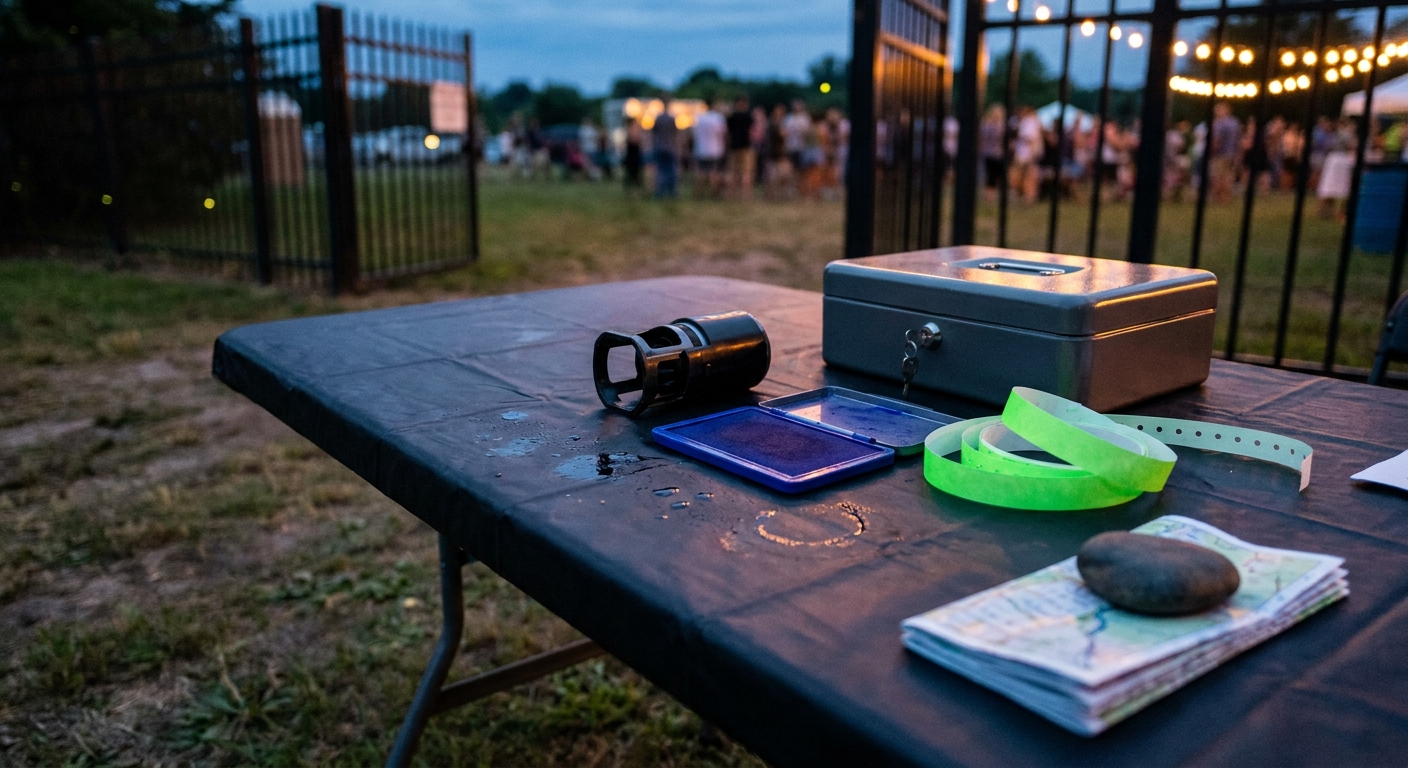
Westland is opening the gates to its signature summer weekend — and leaving the ticket price at zero.
Blues, Brews & Barbecue returns to Thomas H. Brown Central City Park on Aug. 7-8 with free admission, free parking and 30 live performances across multiple stages. The official festival website bills it as Western Wayne County's biggest summer bash.
That open-gate model distinguishes Westland's festival at a time when comparable summer events increasingly charge for entry. Arts, Beats & Eats in Royal Oak charges regular gate admission of $10 before 3 p.m. and $12 after 3 p.m. for 2026, with advance tickets running $7 to $8; admission is free Friday before 5 p.m. Single-day early-bird tickets for Detroit's Movement Music Festival start at $169 plus fees, and Hour Detroit's summer preview lists multi-day passes starting at about $217. Local food and drink festivals typically charge about $5 to $10 for entry.
The festival runs from 4 to 11 p.m. Friday, Aug. 7, and from 11 a.m. to 11 p.m. Saturday, Aug. 8, at 36601 Ford Rd., Westland, MI 48185.
The 2026 headliners are Derrick Dove & The Peacekeepers, Lil' Ed & The Blues Imperials, Jovin Webb, and Chambers & DesLauriers. The weekend's lineup spans blues, rock, soul, R&B and Americana, while BBQ vendors, food trucks and a beer tent serving domestic and craft brews round out the festival.
A drone light show is planned for 10:45 p.m. Friday, followed by a fireworks display at 10:30 p.m. Saturday. A cornhole tournament is scheduled from noon to 3 p.m. Saturday. Free shuttles will run every 15 minutes from John Glenn High School, William D. Ford Vocational Technical School and the Senior Friendship Center.
Those ticket prices elsewhere can determine who gets to attend. Westland's median household income was $62,216 during the Census Bureau's 2019-2023 reporting period, and Wayne County's median of about $59,500 to $60,500 falls noticeably below both Michigan and U.S. averages. In Westland, 30.41% of workers are classified as blue-collar. For families in that economy, admission fees of $10 to $12 per person — or concert tickets starting above $150 — can price weekend plans out of reach before food or parking enters the equation.
Past attendance suggests demand for the city's approach. A 2025 recap reported that almost 10,000 people attended on one night, with 15,000 to 20,000 expected the next day. A gathering of that scale brings families with young children, retirees, blue-collar workers and neighbors who might not otherwise cross paths into Central City Park, creating a civic commons where economic status does not gate entry.
Keeping the gates open, however, shifts the cost from families to City Hall.
The Westland Downtown Development Authority approved up to $50,000 for Blues, Brews & Barbecue sponsorship in 2024. On April 23, 2026, the DDA approved a resolution covering festival sponsorship, management services and the capture of revenues and expenditures for the 2026 event — a structure that blends municipal sponsorship dollars, vendor revenues and event management to fund the festival while keeping admission free.
The spending comes alongside other demands on city resources. Westland's proposed 2026-27 budget focuses on public safety, infrastructure, road repairs and long-term investments, with additional investments in parks, technology and senior center upgrades. The city also opened the $12 million Nankin Square park and amphitheater, which hosts free Friday concerts, with $8.5 million coming from Westland's Tax Increment Finance Authority.
Together, the DDA-backed festival and TIF-funded amphitheater show Westland treating accessible public culture as infrastructure rather than a discretionary amenity — a policy choice to prioritize access over cost recovery.
The longer-term test is whether the model can endure. The DDA's April 2026 resolution suggests the city is navigating the festival's financial sustainability year by year, balancing municipal investment against vendor income and sponsor support. Entertainment costs are climbing, and municipal budgets face competing demands; whether a free-festival model can survive as costs rise — or whether economic pressure will eventually push admission fees onto events that began as open-gate public celebrations — is a question Westland shares with working-class cities across the region.
For now, Westland's Aug. 7-8 festival shows that a working-class city can still put 30 performances, food vendors, parking and fireworks in a public park without charging admission — and that accessibility remains a choice municipalities can make, even when it is not the easiest one.